Chapter 39: Case Study: B2C Product Launch Campaigns
Key Takeaways
- Involve your influencers: Co-creating content with influencers is more authentic than simple sponsored posts.
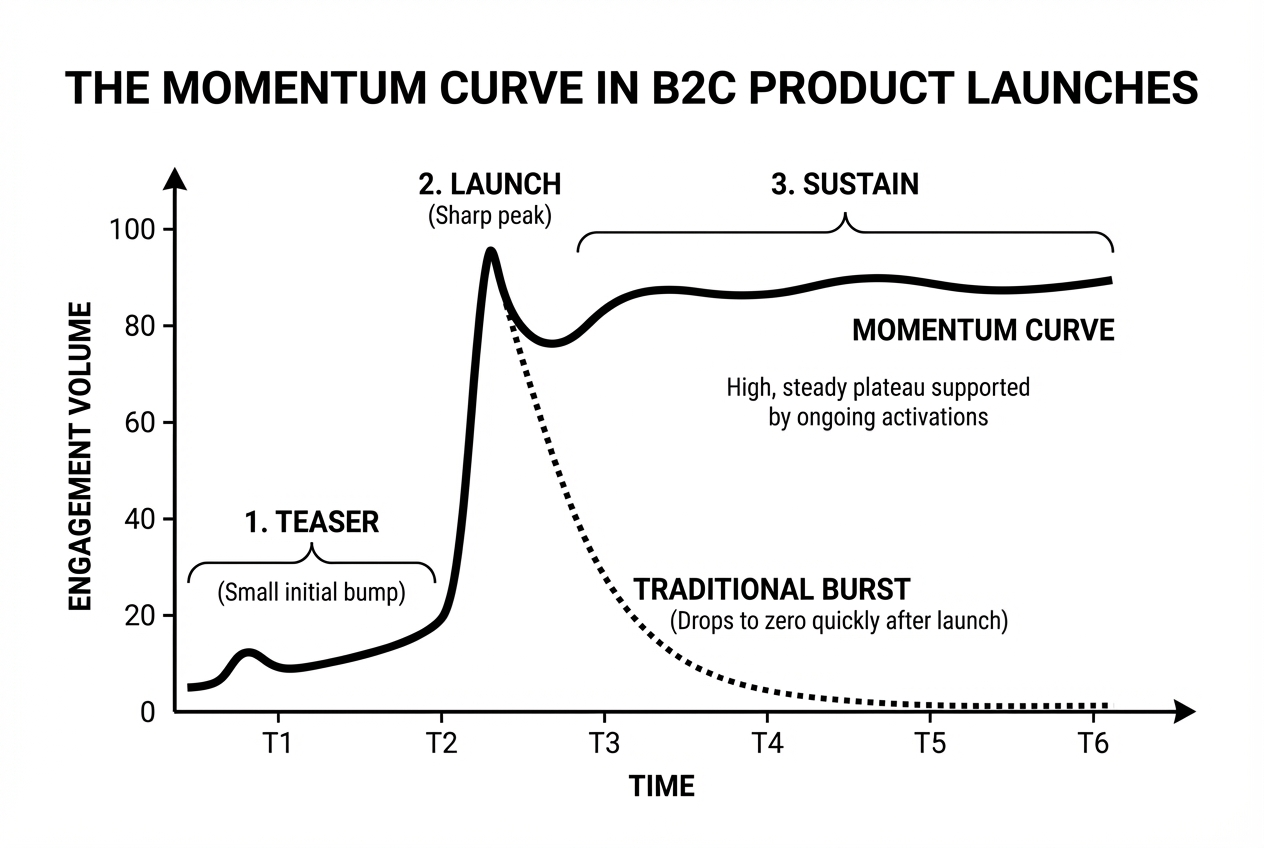
- Phased launches build momentum: Teaser phases build anticipation before the main event.
- Match influencers to goals: Use different types of creators for credibility versus real-world lifestyle application.
This chapter examines two successful B2C (business-to-consumer) product launch campaigns that prioritized creative engagement over traditional advertising.
Samsung's #Flipvertising
To launch the Galaxy Z Flip phone to a fashion-conscious audience, Samsung challenged creators to produce their own "ads" for the phone. The best user-generated videos were then used as official brand ads. Key Lesson: Giving creators ownership leads to more authentic content that resonates better with their followers.
Lenovo's EGO Watch Launch
Lenovo used a three-phased integrated campaign: - Phase 1: Teaser: Worked with tech experts to "leak" photos and create speculation. - Phase 2: Launch: Official reviews from top YouTubers and a social media contest. - Phase 3: Sustain: Lifestyle influencers showed the watch in everyday life, while paid ads amplified the top reviews.
Key Lesson: A phased approach builds anticipation and ensures the brand stays in the conversation long after the launch day.
Chapter 39 Toolkit: Creative B2C Launches
Practical Exercise
Exercise: Phased Launch Plan You are launching a new consumer product. Outline a simple 3-phase plan (Teaser, Launch, Sustain). Define one specific tactic for each phase and identify the target audience segment for each.
Digital PR Integration ( DPRI Method )
These cases demonstrate high UGC Volume and Social Engagement outcomes. The phased approach in the Lenovo case specifically targets Branded Search Volume over an extended period.
Next: High-budget launches are effective, but Digital PR is also a survival tool for businesses with limited resources. Chapter 40 explores small business success stories.