Chapter 18: The Social Intelligence System: Escalation, Routing, and Dashboards
Key Takeaways
- Systems create efficiency: A clear escalation matrix and routing plan enable your team to handle issues consistently.
- Not all problems are equal: Differentiate between minor issues and true crises to involve the right people at the right time.
- You can't manage what you don't monitor: A real-time dashboard is essential for spotting trends before they escalate.
- The Social Intelligence System connects listening to action: Monitoring without a response capability is ineffective.
Managing a brand's online reputation requires a system for handling customer interactions. The Social Intelligence System is the infrastructure that connects listening to response and measurement.
Escalation Matrix: Knowing When to Get Help
An escalation matrix tells your team when to ask for help. Not every problem needs to be seen by the CEO.
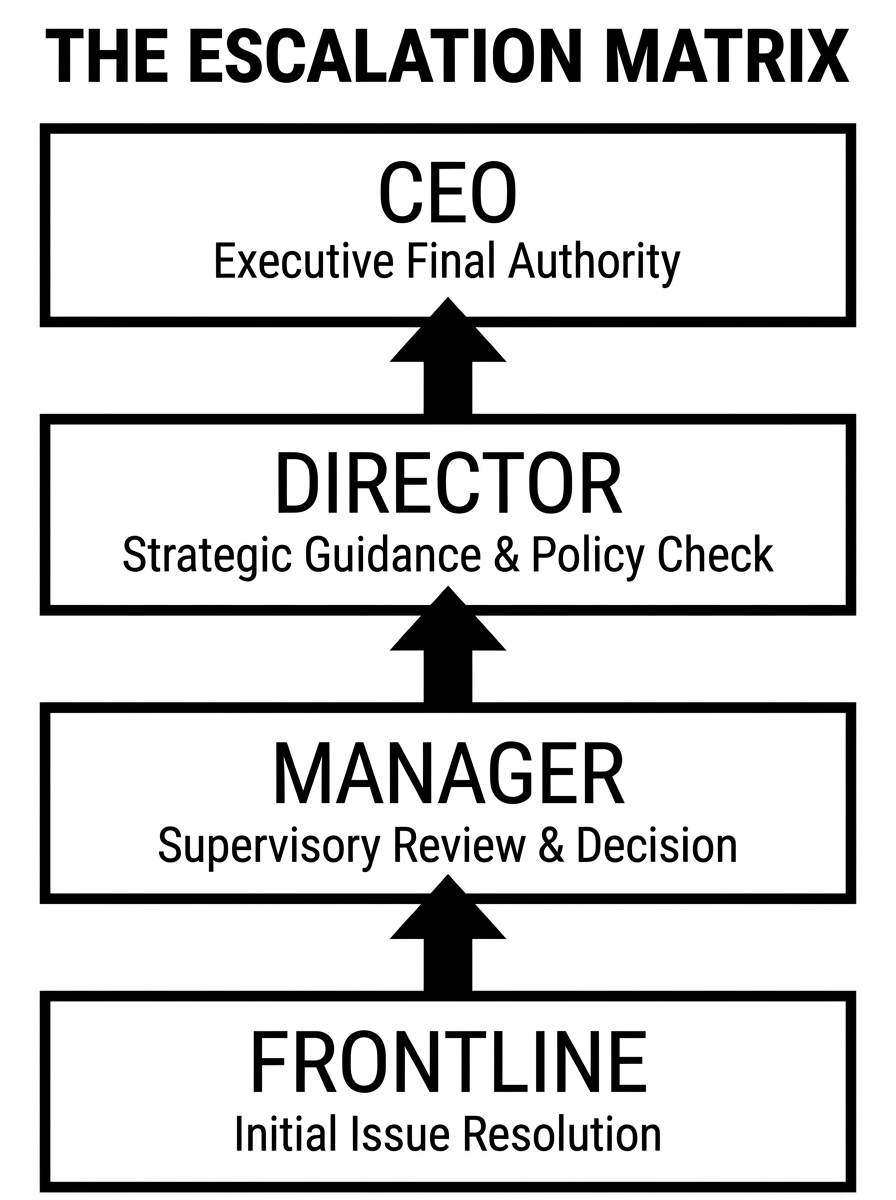
- Level 1: Frontline Support (Social Media Manager): Handles simple questions and minor complaints. Action: Respond directly and solve the issue.
- Level 2: Management (PR Manager): Handles sensitive issues or angry customers. Action: Coordinate with other departments and approve statements.
- Level 3: Senior Leadership (CEO, Legal): Handles full-blown crises with safety, legal, or major media implications. Action: Make high-level decisions and act as the official spokesperson.
Complaint Routing
Routing is the process of ensuring a customer's problem reaches the department that can solve it. A social media manager's job is not to fix a technical bug, but to get that complaint to the technical team as quickly as possible.
Real-Time ORM Dashboards
A dashboard provides a quick overview of what is being said about your brand online. It should include: - A feed of brand mentions on social media. - A feed of new online reviews. - A chart showing sentiment ratio (positive, negative, neutral). - Alert thresholds for when mention volume or negative sentiment spikes unusually.
ORM Dashboard Tools (2026)
| Tool | Best For |
|---|---|
| Brand24 | Small-medium brands; easy setup. |
| Mention | PR teams; strong competitive monitoring. |
| Sprinklr | Enterprise; full suite integration. |
| Locobuzz | Focus on vernacular language support. |
| Google Alerts | Budget startups; basic brand tracking. |
Chapter 18 Toolkit: Building Your ORM System
Practical Exercises
Exercise 1: Escalation Decision Tree Create a flowchart for your team. Start with a common customer complaint and define the nodes: Is there a safety concern? Is the customer highly influential? Are multiple people reporting it? Use these to determine whether to resolve at Level 1 or escalate immediately.
Exercise 2: Complaint Routing Map List ten common complaint types for your business. For each, identify the department responsible, the primary contact person, and the expected resolution time.
Digital PR Integration ( DPRI Method )
The Social Intelligence System is the infrastructure that makes crisis response actionable. It allows you to monitor sentiment and share of voice in real-time, providing the data needed to prevent minor issues from becoming major crises.
Next: Systems help you respond, but what happens when damage has already occurred? Chapter 19 covers Reputation Restoration—the long-term work of rebuilding trust.